Hey there! 👋 Have you ever looked at a chemical formula like C₆H₆ or CH₃CH₂OH and thought, “How on earth do I even pronounce this?” Well, you’re not alone! I remember when I first tried to name ethanol in my chemistry class it felt like deciphering a secret code. I kept mixing up prefixes, suffixes, and numbers, and honestly, I almost gave up.
But here’s the good news: once you understand IUPAC naming, it’s like having a roadmap to every molecule. No more guessing, no more confusion just clear, step-by-step rules that make even the trickiest chemical names easy to handle. In this guide, I’ll walk you through everything from simple alkanes to complex compounds, so you can finally read, write, and impress with chemical names like a pro!
🧪 Basic Organic Compounds of IUPAC Names
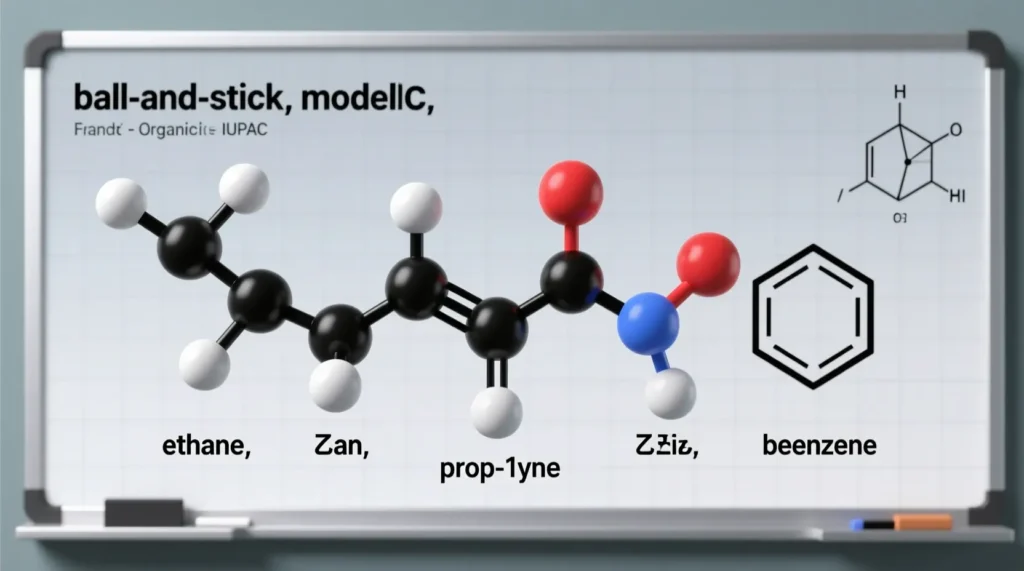
These are simple organic compounds often taught first. They form the foundation of organic chemistry.
1. Methane
Meaning: Simplest alkane with one carbon atom.
2. Ethane
Meaning: Two-carbon alkane compound.
3. Propane
Meaning: Three-carbon saturated hydrocarbon.
4. Butane
Meaning: Four-carbon straight-chain alkane.
5. Pentane
Meaning: Five-carbon alkane.
6. Hexane
Meaning: Six-carbon alkane used as solvent.
7. Heptane
Meaning: Seven-carbon alkane.
8. Octane
Meaning: Eight-carbon alkane, fuel component.
9. Nonane
Meaning: Nine-carbon alkane.
10. Decane
Meaning: Ten-carbon alkane.
🔥 Alkenes (Double Bond Compounds)
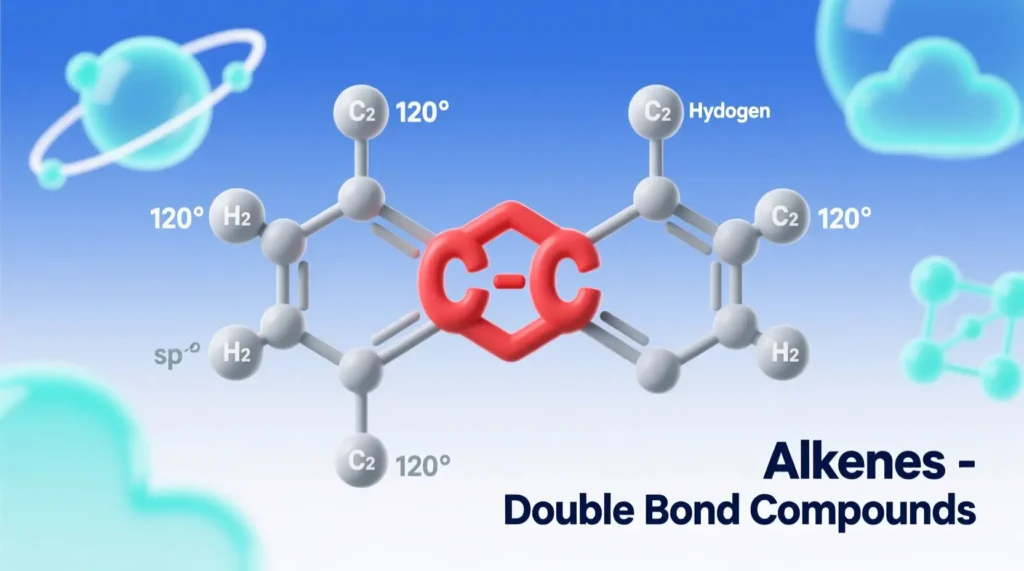
Alkenes contain at least one carbon–carbon double bond and are highly reactive.
11. Ethene
Meaning: Two-carbon alkene.
12. Propene
Meaning: Three-carbon alkene.
13. Butene
Meaning: Four-carbon alkene.
14. Pentene
Meaning: Five-carbon alkene.
15. Hexene
Meaning: Six-carbon alkene.
16. Heptene
Meaning: Seven-carbon alkene.
17. Octene
Meaning: Eight-carbon alkene.
18. Nonene
Meaning: Nine-carbon alkene.
19. Decene
Meaning: Ten-carbon alkene.
20. Undecene
Meaning: Eleven-carbon alkene.
⚡ Alkynes (Triple Bond Compounds)
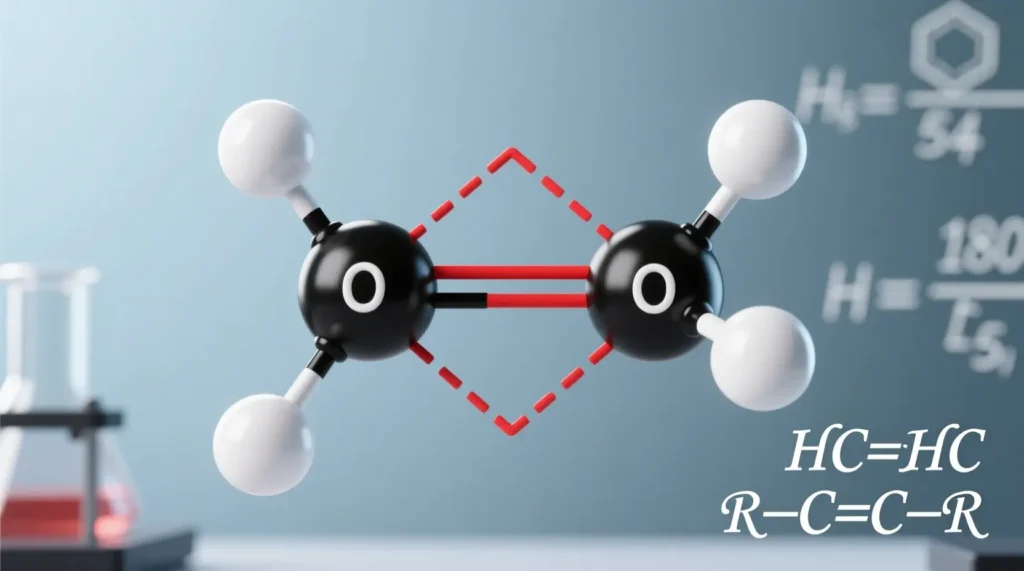
Alkynes have carbon–carbon triple bonds and high energy.
21. Ethyne
Meaning: Simplest alkyne, also called acetylene.
22. Propyne
Meaning: Three-carbon alkyne.
23. Butyne
Meaning: Four-carbon alkyne.
24. Pentyne
Meaning: Five-carbon alkyne.
25. Hexyne
Meaning: Six-carbon alkyne.
26. Heptyne
Meaning: Seven-carbon alkyne.
27. Octyne
Meaning: Eight-carbon alkyne.
28. Nonyne
Meaning: Nine-carbon alkyne.
29. Decyne
Meaning: Ten-carbon alkyne.
30. Undecyne
Meaning: Eleven-carbon alkyne.
🍷 Alcohols (–OH Group)
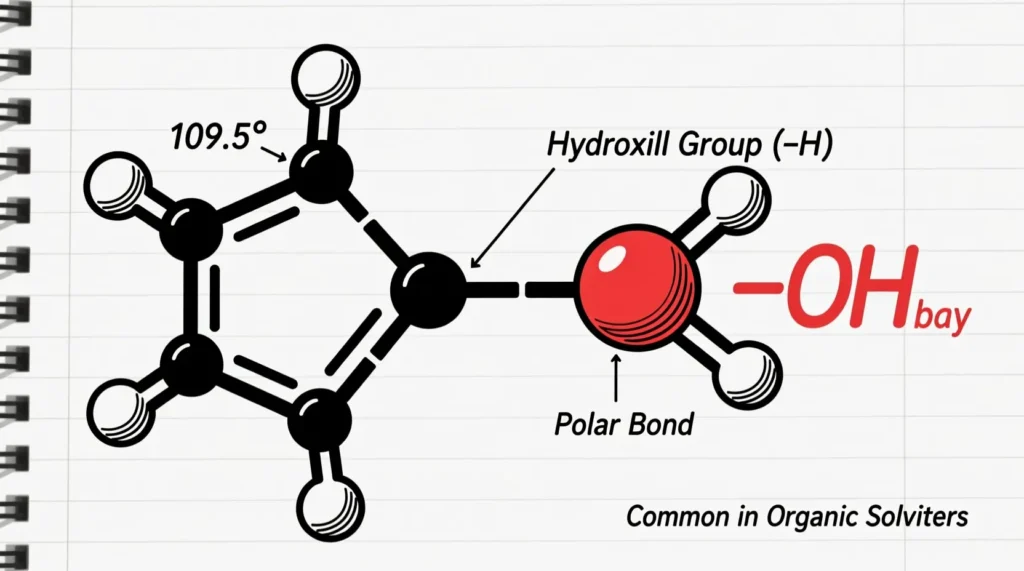
Alcohols contain a hydroxyl group and are widely used.
31. Methanol
Meaning: One-carbon alcohol.
32. Ethanol
Meaning: Two-carbon alcohol found in beverages.
33. Propanol
Meaning: Three-carbon alcohol.
34. Butanol
Meaning: Four-carbon alcohol.
35. Pentanol
Meaning: Five-carbon alcohol.
36. Hexanol
Meaning: Six-carbon alcohol.
37. Heptanol
Meaning: Seven-carbon alcohol.
38. Octanol
Meaning: Eight-carbon alcohol.
39. Nonanol
Meaning: Nine-carbon alcohol.
40. Decanol
Meaning: Ten-carbon alcohol.
🍋 Carboxylic Acids
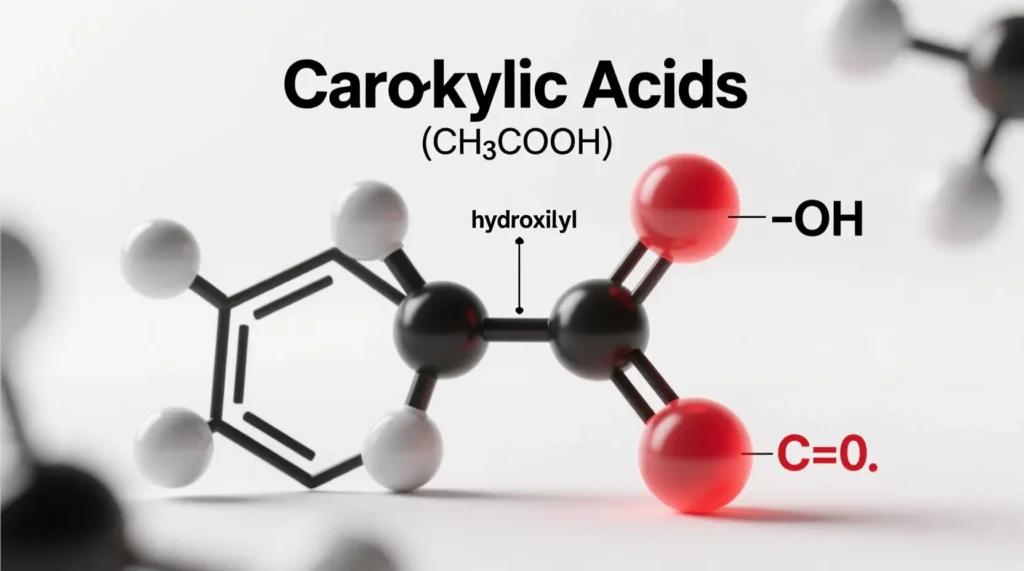
These compounds contain the –COOH group.
41. Methanoic acid
Meaning: Simplest carboxylic acid.
42. Ethanoic acid
Meaning: Vinegar acid.
43. Propanoic acid
Meaning: Three-carbon acid.
44. Butanoic acid
Meaning: Found in butter.
45. Pentanoic acid
Meaning: Five-carbon acid.
46. Hexanoic acid
Meaning: Six-carbon acid.
47. Heptanoic acid
Meaning: Seven-carbon acid.
48. Octanoic acid
Meaning: Eight-carbon fatty acid.
49. Nonanoic acid
Meaning: Nine-carbon acid.
50. Decanoic acid
Meaning: Ten-carbon acid.
🧂 Inorganic Acids
These acids are essential in labs and industries.
51. Hydrochloric acid
Meaning: Acid of hydrogen chloride.
52. Sulfuric acid
Meaning: Strong industrial acid.
53. Nitric acid
Meaning: Acid used in fertilizers.
54. Phosphoric acid
Meaning: Found in soft drinks.
55. Carbonic acid
Meaning: Weak acid in soda.
56. Hydrofluoric acid
Meaning: Acid of fluorine.
57. Hydrobromic acid
Meaning: Bromine-based acid.
58. Hydroiodic acid
Meaning: Iodine-based acid.
59. Sulfurous acid
Meaning: Lower oxidation sulfur acid.
60. Nitrous acid
Meaning: Weak nitrogen acid.
🧪 Common Bases
Bases neutralize acids and are widely used.
61. Sodium hydroxide
Meaning: Strong base, caustic soda.
62. Potassium hydroxide
Meaning: Strong alkali.
63. Calcium hydroxide
Meaning: Slaked lime.
64. Magnesium hydroxide
Meaning: Milk of magnesia.
65. Ammonium hydroxide
Meaning: Weak base.
66. Lithium hydroxide
Meaning: Alkali metal base.
67. Barium hydroxide
Meaning: Strong base.
68. Aluminum hydroxide
Meaning: Amphoteric base.
69. Iron(III) hydroxide
Meaning: Rust-related compound.
70. Zinc hydroxide
Meaning: White precipitate base.
🔗 Salts
Salts are formed from acids and bases.
71. Sodium chloride
Meaning: Common table salt.
72. Potassium nitrate
Meaning: Fertilizer compound.
73. Calcium carbonate
Meaning: Limestone compound.
74. Sodium sulfate
Meaning: Industrial salt.
75. Copper sulfate
Meaning: Blue vitriol.
76. Zinc chloride
Meaning: Metal salt.
77. Ammonium chloride
Meaning: White crystalline salt.
78. Sodium bicarbonate
Meaning: Baking soda.
79. Potassium permanganate
Meaning: Purple oxidizing salt.
80. Calcium sulfate
Meaning: Plaster of Paris base.
🧠 Nitrogen Compounds
Nitrogen compounds are vital for life.
81. Ammonia
Meaning: Nitrogen-hydrogen compound.
82. Urea
Meaning: Organic nitrogen compound.
83. Nitrogen dioxide
Meaning: Brown toxic gas.
84. Nitrogen monoxide
Meaning: Colorless gas.
85. Ammonium nitrate
Meaning: Fertilizer salt.
86. Sodium nitrite
Meaning: Food preservative.
87. Potassium nitrite
Meaning: Nitrite salt.
88. Nitrous oxide
Meaning: Laughing gas.
89. Nitric oxide
Meaning: Biological signaling gas.
90. Cyanamide
Meaning: Nitrogen-rich compound.
⚙️ Oxides
Oxides form when elements react with oxygen.
91. Carbon dioxide
Meaning: Gas from respiration.
92. Carbon monoxide
Meaning: Poisonous gas.
93. Sulfur dioxide
Meaning: Acid rain gas.
94. Sulfur trioxide
Meaning: Acid precursor.
95. Silicon dioxide
Meaning: Sand compound.
96. Iron(III) oxide
Meaning: Rust.
97. Aluminum oxide
Meaning: Protective metal oxide.
98. Magnesium oxide
Meaning: White basic oxide.
99. Zinc oxide
Meaning: Skin protection compound.
100. Copper oxide
Meaning: Black metal oxide.
🧬 Halogen Compounds
Halogens form strong compounds.
101. Sodium fluoride
Meaning: Tooth protection salt.
102. Potassium chloride
Meaning: Electrolyte salt.
103. Calcium chloride
Meaning: Drying agent.
104. Hydrogen chloride
Meaning: Acid gas.
105. Bromine chloride
Meaning: Interhalogen compound.
106. Iodine monochloride
Meaning: Reactive halogen compound.
107. Chlorine dioxide
Meaning: Disinfectant gas.
108. Fluorosilicic acid
Meaning: Industrial acid.
109. Potassium iodide
Meaning: Medical salt.
110. Sodium bromide
Meaning: Sedative salt.
🧩 Miscellaneous Important Compounds
Some compounds don’t fit one box but matter a lot.
111. Glucose
Meaning: Simple sugar.
112. Fructose
Meaning: Fruit sugar.
113. Sucrose
Meaning: Table sugar.
114. Starch
Meaning: Plant carbohydrate.
115. Cellulose
Meaning: Plant fiber polymer.
Conclusion
IUPAC names may look complex, but when grouped properly, they become easy to learn and remember. In this guide, you explored 115+ IUPAC names across organic, inorganic, acids, bases, salts, and more. Each category helps you build confidence step by step.
Now it’s your turn save this guide, revisit it, and pick the compounds you want to master first. Chemistry gets easier when learning feels simple 😊

John Grisham is a professional content writer at Namemeeaning.com, specializing in clear, engaging, and well-researched articles about name meanings and origins. With strong writing skills and a confident style, he simplifies complex ideas and delivers high-quality, SEO-optimized content that helps readers find meaningful insights quickly.